
St. Catharines 150

Share St. Catharines 150 on Facebook Share St. Catharines 150 on Twitter Share St. Catharines 150 on Linkedin Email St. Catharines 150 link

Happy 150th, St. Catharines!

For 150 years, St. Catharines has been shaped by change, opportunity, and innovation. What began as an agricultural settlement and canal-side industrial centre has grown into a vibrant city and a cornerstone of Niagara’s development.

In 2026, St. Catharines proudly marks its 150th anniversary as a City. While our community’s roots stretch back much further, St. Catharines was officially incorporated as a City on May 1, 1876.

Throughout this milestone year, we’ll be celebrating with a series of events, activities, and community initiatives that honour our history while looking ahead to our future. From cultural programming and historical reflections to City-wide gatherings and a special 150th celebration, there will be many opportunities to participate, connect, and share in the pride of our city.

We want to celebrate with you

Share your St. Catharines memories, experiences, and stories. Sign our online guestbook. Post photos of your favourite spots. Take part in fun polls and trivia. Add your voice and experiences to our 150th celebrations and help us highlight what makes St. Catharines special.

Happy 150th, St. Catharines!

For 150 years, St. Catharines has been shaped by change, opportunity, and innovation. What began as an agricultural settlement and canal-side industrial centre has grown into a vibrant city and a cornerstone of Niagara’s development.

In 2026, St. Catharines proudly marks its 150th anniversary as a City. While our community’s roots stretch back much further, St. Catharines was officially incorporated as a City on May 1, 1876.

Throughout this milestone year, we’ll be celebrating with a series of events, activities, and community initiatives that honour our history while looking ahead to our future. From cultural programming and historical reflections to City-wide gatherings and a special 150th celebration, there will be many opportunities to participate, connect, and share in the pride of our city.

We want to celebrate with you

Share your St. Catharines memories, experiences, and stories. Sign our online guestbook. Post photos of your favourite spots. Take part in fun polls and trivia. Add your voice and experiences to our 150th celebrations and help us highlight what makes St. Catharines special.

Share your St. Catharines story

Share Your St. Catharines Story!

2026 marks 150 years of St. Catharines as a City, and we want to celebrate the people, places, and experiences that make our community unique.

Use this space to share your stories, memories, or reflections about St. Catharines. Your contribution can be:

  • A personal memory of growing up, living, or working in St. Catharines

  • A favourite place, event, or tradition that’s meaningful to you

  • A story about how St. Catharines has changed over the years

  • A wish or hope for the future of the City

Add photos to bring your stories and memories to life! Submissions may be featured in our 150th anniversary celebrations, helping highlight what makes St. Catharines special.

A note about your story: stories and photos posted here will be visible to everyone visiting the page. We may also feature or share the stories and photos posted here on other City channels, such as social media, newsletters, or our website. Please remember to keep personal information private and avoid sharing sensitive details.

We can’t wait to read your stories and celebrate 150 years together!

Thank you for sharing your St. Catharines Story with us. While you're here:

We look forward to celebrating our milestone year with!

All fields marked with an asterisk (*) are required.

Email
loader image
Didn't receive confirmation?
Seems like you are already registered, please provide the password. Forgot your password? Create a new one now.
Cancel
  • Share Mills and businesses along the Welland Canal on Facebook Share Mills and businesses along the Welland Canal on Twitter Share Mills and businesses along the Welland Canal on Linkedin Email Mills and businesses along the Welland Canal link

    Mills and businesses along the Welland Canal
    3 months ago


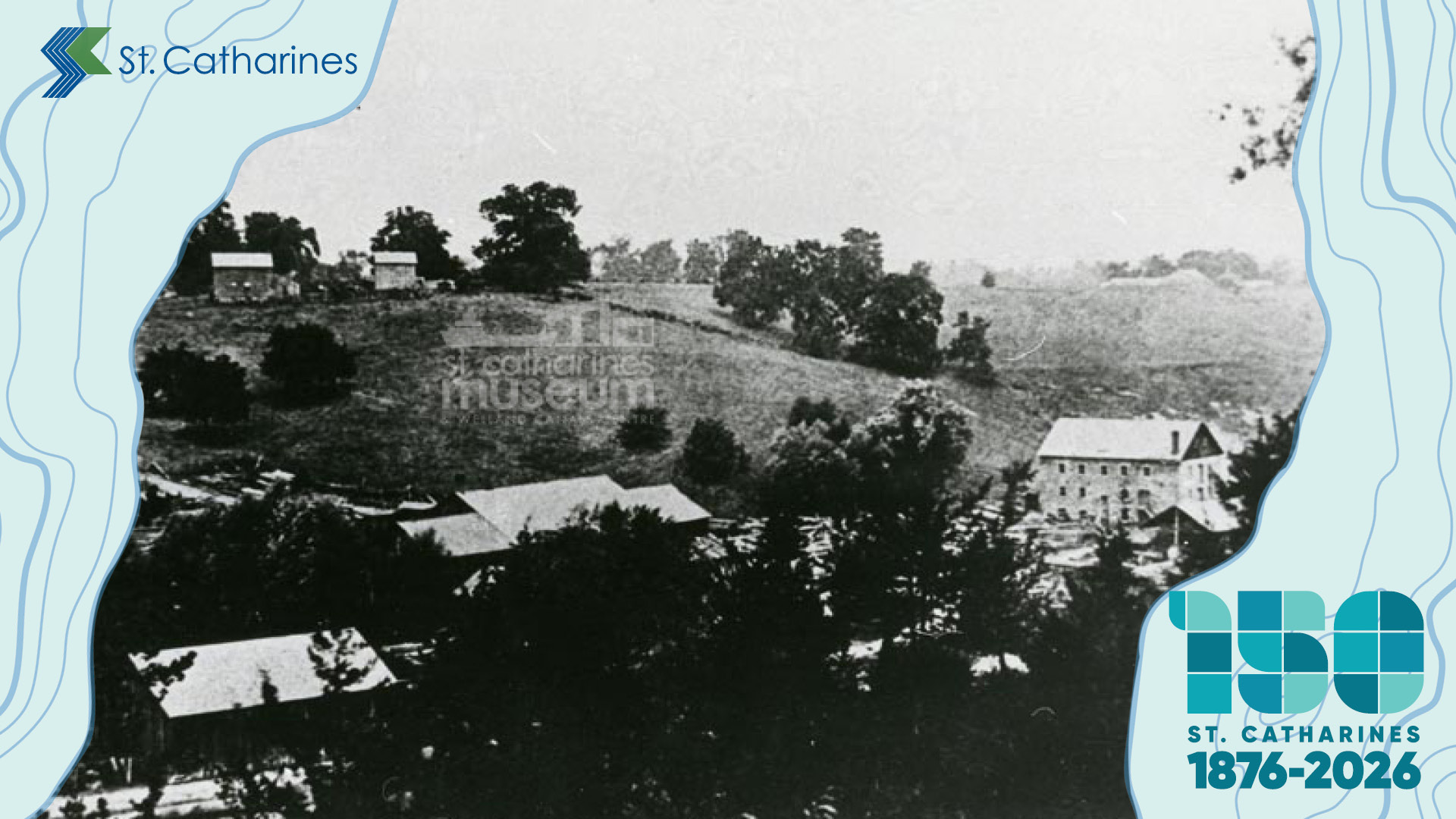
    When the first Welland Canal was built in 1829, one of the objectives of its builders was to provide a reliable water source for businesses – many of them mills – along the Twelve Mile Creek.

    This is the fourth in a series of STC History posts(External link) to celebrate the 150th anniversary of the City of St. Catharines. We know the roots of our community stretch back much further than 150 years and the St. Catharines Museum & Welland Canals Centre(External link) is helping us celebrate our 150th anniversary with a weekly look back into our rich history from... Continue reading


    When the first Welland Canal was built in 1829, one of the objectives of its builders was to provide a reliable water source for businesses – many of them mills – along the Twelve Mile Creek.

    This is the fourth in a series of STC History posts(External link) to celebrate the 150th anniversary of the City of St. Catharines. We know the roots of our community stretch back much further than 150 years and the St. Catharines Museum & Welland Canals Centre(External link) is helping us celebrate our 150th anniversary with a weekly look back into our rich history from a diverse range of perspectives.

    By 1856, there were 16 flour mills along the creek south from Port Dalhousie through to Thorold. In addition to flour mills were sawmills, planing mills, a wool factory and carding mill, a cement mill, numerous breweries, foundries, and factories producing a variety of items both for the local market and abroad.

    This image above (1985.173.1) is from 1875 and shows the view of Crown Mills, one of the earliest mills built along Twelve Mile Creek near today’s Power Glen, known at the time as Reynoldsville. The complex of buildings includes a sawmill, grist mill, blacksmith shop, a wagon shop, a planing mill, and a cooperage for making barrels.

  • Share The Twelve / Shipman’s Corner on Facebook Share The Twelve / Shipman’s Corner on Twitter Share The Twelve / Shipman’s Corner on Linkedin Email The Twelve / Shipman’s Corner link

    The Twelve / Shipman’s Corner
    3 months ago
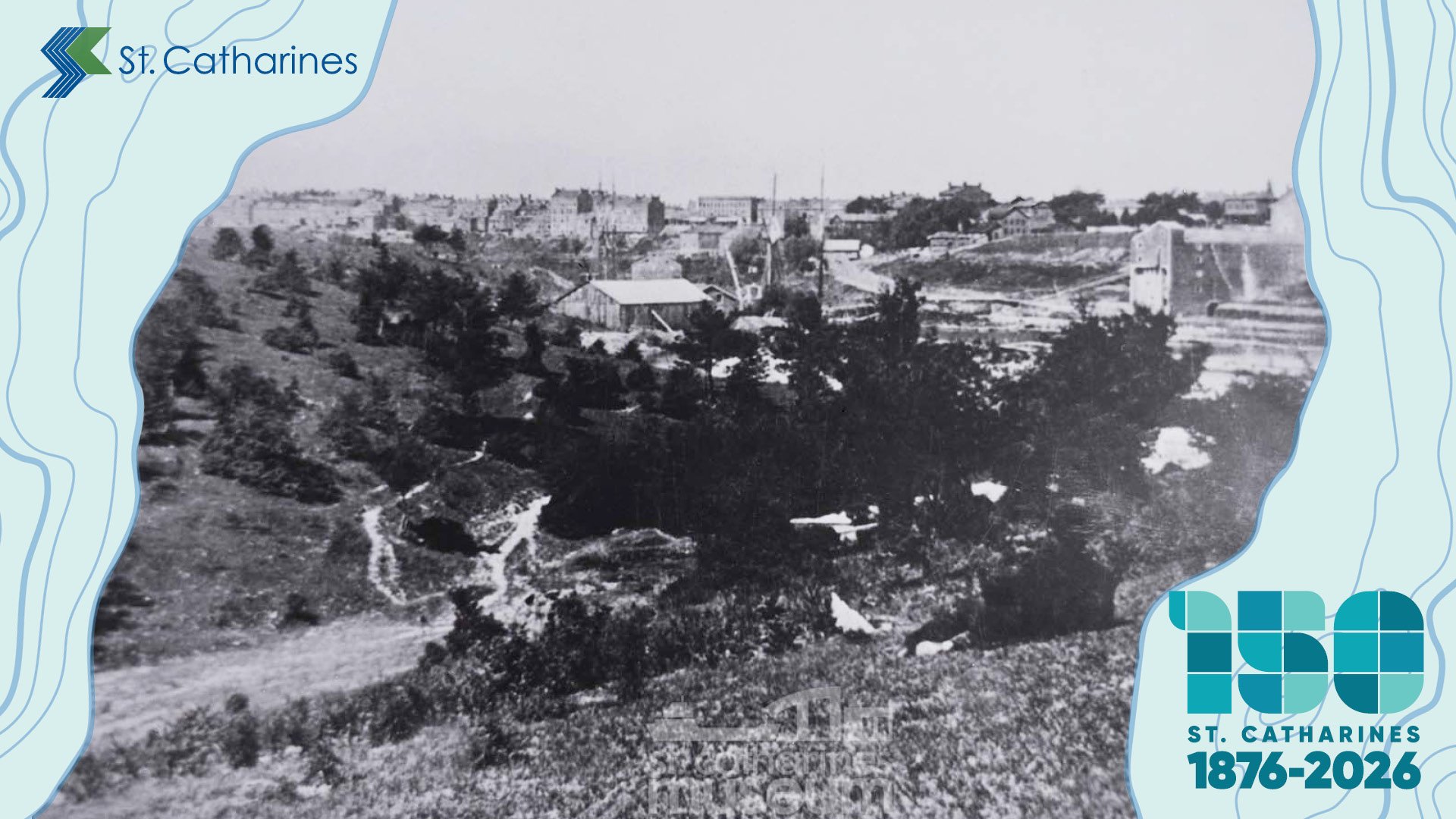
    A photo from the 1870’s shows one of the earliest views of the community.

    The earliest survey for Grantham Township didn’t include a planned location for a town. St. Catharines grew up organically around the junction of established trails – most notably the Iroquois Trail.

    This is the third in a series of STC History posts to celebrate the 150th anniversary of the City of St. Catharines. We know the roots of our community stretch back much further than 150 years and the St. Catharines Museum & Welland Canals Centre is helping us celebrate our 150th anniversary with a weekly look back into our rich history from a diverse range of perspectives.

    A small... Continue reading

    The earliest survey for Grantham Township didn’t include a planned location for a town. St. Catharines grew up organically around the junction of established trails – most notably the Iroquois Trail.

    This is the third in a series of STC History posts to celebrate the 150th anniversary of the City of St. Catharines. We know the roots of our community stretch back much further than 150 years and the St. Catharines Museum & Welland Canals Centre is helping us celebrate our 150th anniversary with a weekly look back into our rich history from a diverse range of perspectives.

    A small settlement grew up where the trail crossed Twelve Mile Creek and eventually became known as the Twelve. By the War of 1812, the settlement was also referred to as Shipman’s Corner as Paul Shipman had established a tavern at the crossroads – where St. Paul Street met Ontario Street. During the War of 1812, some local settlers experienced some losses due to damage when their properties were used for military purposes.

    After the war, the town continued to grow. By 1827, the census of population records 384 inhabitants, not including labourers who were working on the Welland Canal. The village also boasted three churches, a school, a salt works, a post office, two doctors, six taverns and eight merchants.

    This photo from the 1870’s shows one of the earliest views of the community taken from T. R. Merritt’s home, looking east towards the first Welland Canal.

  • Share STC150: Settling the land on Facebook Share STC150: Settling the land on Twitter Share STC150: Settling the land on Linkedin Email STC150: Settling the land link

    STC150: Settling the land
    3 months ago

    The first European settlers came to the area after the American Revolutionary War in the late 18th century and began surveying the land to begin building homesteads, mills, churches, and by the 1820’s the Welland Canal.


    This is the second in our series of STC History posts to celebrate the 150th anniversary of the City of St. Catharines. We know the roots of our community stretch back much further than 150 years and the St. Catharines Museum & Welland Canals Centre is helping us celebrate our 150th anniversary with a weekly look back into our rich history from a... Continue reading

    The first European settlers came to the area after the American Revolutionary War in the late 18th century and began surveying the land to begin building homesteads, mills, churches, and by the 1820’s the Welland Canal.


    This is the second in our series of STC History posts to celebrate the 150th anniversary of the City of St. Catharines. We know the roots of our community stretch back much further than 150 years and the St. Catharines Museum & Welland Canals Centre is helping us celebrate our 150th anniversary with a weekly look back into our rich history from a diverse range of perspectives.

    Surveys were carried out by teams of men fought the elements and geography to lay out the individual lots for settlement.

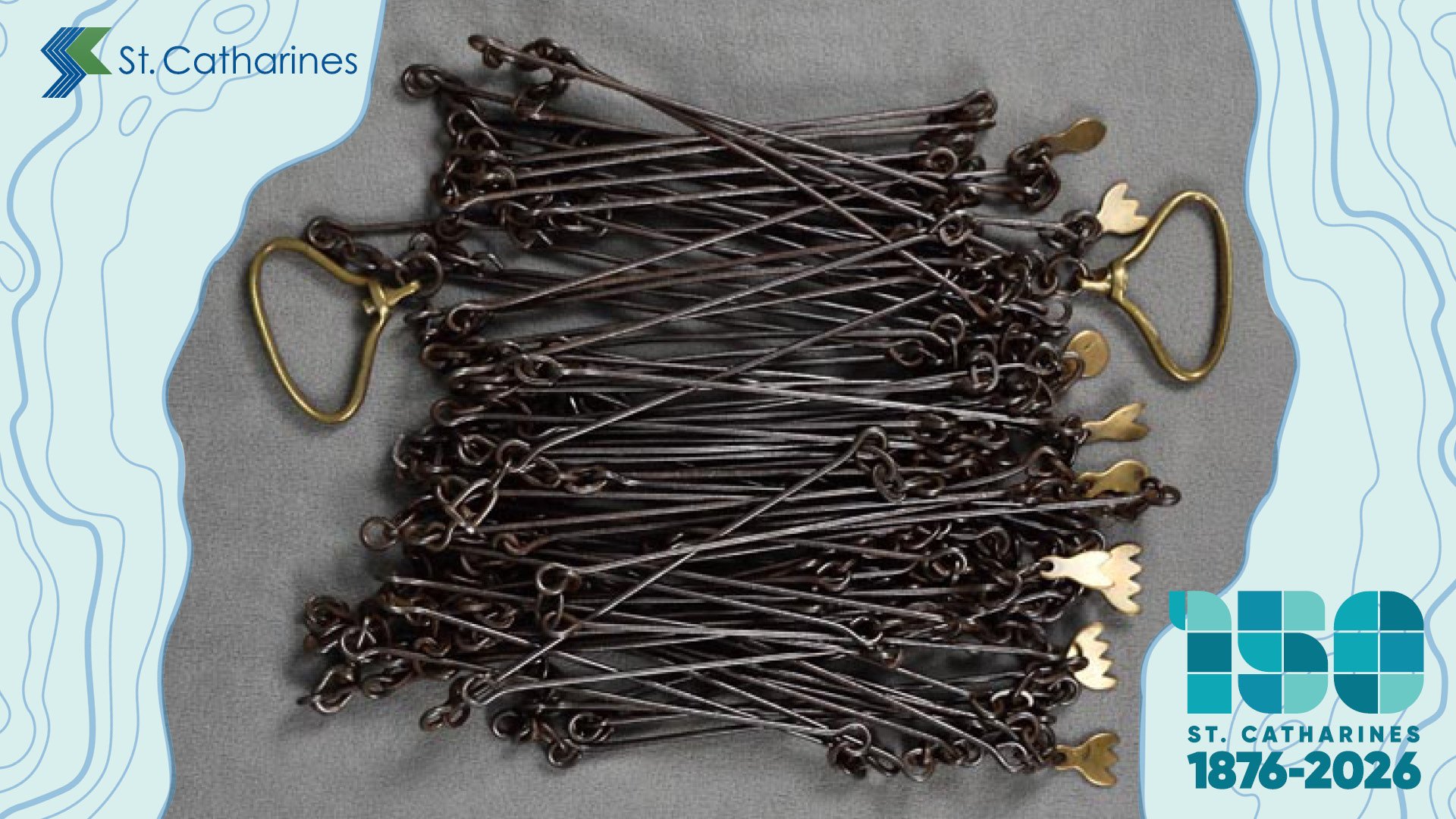
    The surveyors measured out the land plots using a Guenther’s Chain. The full chain consists of 100 links which a total distance of 66 feet. The first survey of Grantham Township was laid out with lots parallel to the lake shore which resulted in roads that crossed at odd angles, a reality for anyone crossing the city today.

    The photo above of a Guenther’s Chain in the St. Catharines Museum collection is similar to those used in the earliest surveys of Grantham Township. (1982.122.153.1)

    The map (at right) is a copy of one of the earliest surveys of the area, completed by Augustus Jones in 1791. The scale of the map is 40 chains to one inch. (X2013.80.1)

  • Share STC150: It all starts with the land on Facebook Share STC150: It all starts with the land on Twitter Share STC150: It all starts with the land on Linkedin Email STC150: It all starts with the land link

    STC150: It all starts with the land
    4 months ago
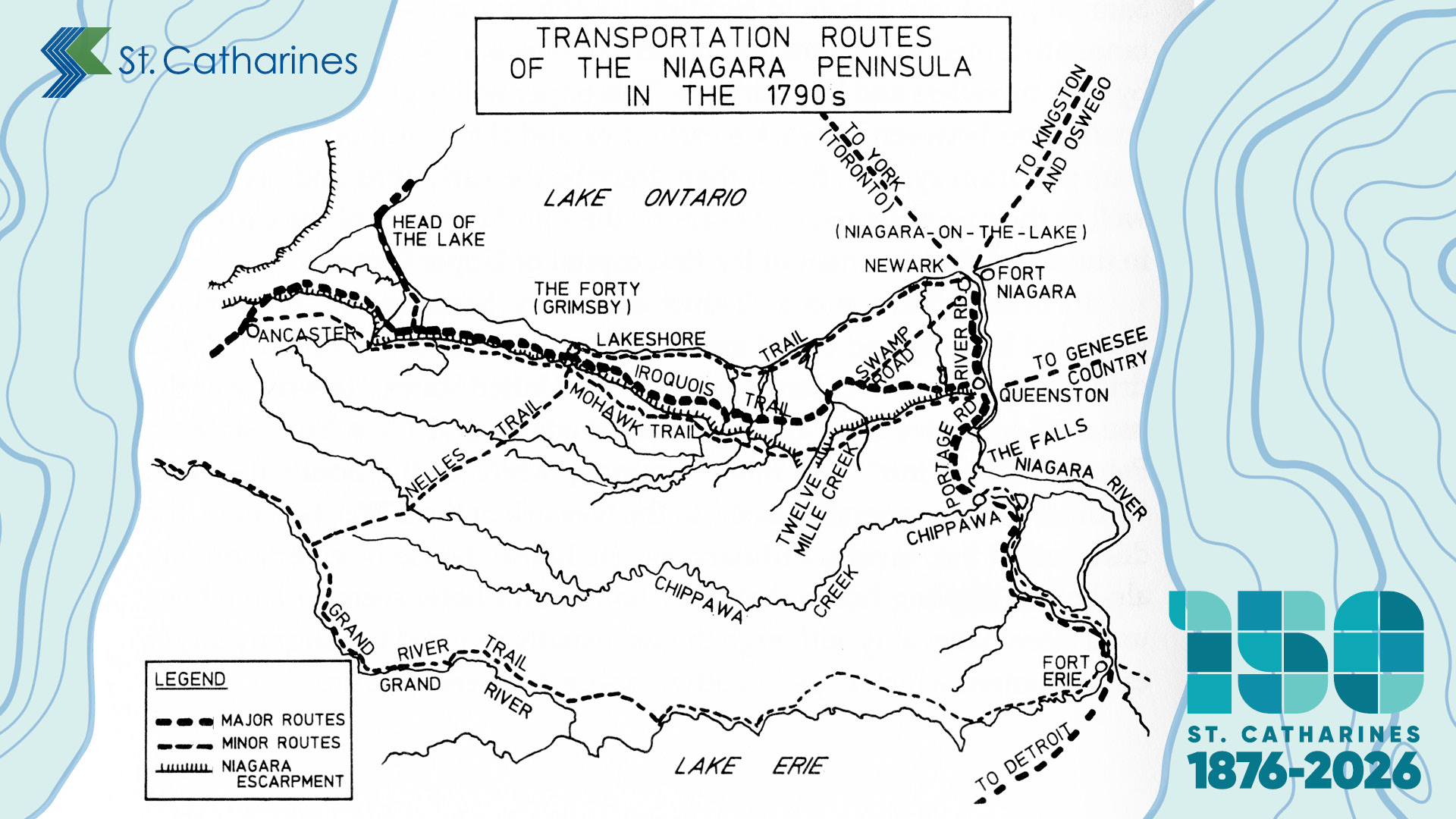
    A map showing the routes of early trails in the St. Catharines area around 1790.

    Thanks to ancient geologic conditions, the land that is today St. Catharines has the perfect climate and landscape for comfortable living and excellent growing conditions.

    The St. Catharines Museum and Welland Canals Centre is helping us celebrate our 150th anniversary of being officially incorporated as a City with a weekly look back into our rich history from a diverse range of perspectives.

    Indigenous peoples have thrived on these lands for millennia, building deep-rooted, culturally rich and prosperous communities. People and animals have been living on this land for approximately 11,000 years, since the ice sheets retreated from Ontario at the... Continue reading

    Thanks to ancient geologic conditions, the land that is today St. Catharines has the perfect climate and landscape for comfortable living and excellent growing conditions.

    The St. Catharines Museum and Welland Canals Centre is helping us celebrate our 150th anniversary of being officially incorporated as a City with a weekly look back into our rich history from a diverse range of perspectives.

    Indigenous peoples have thrived on these lands for millennia, building deep-rooted, culturally rich and prosperous communities. People and animals have been living on this land for approximately 11,000 years, since the ice sheets retreated from Ontario at the end of the last ice age.

    Waterways provided the primary travel routes throughout Southern Ontario until the 19th century. Twelve Mile Creek and its tributaries acted as geographic reference points, along with well-used adjacent walking trails that crossed the peninsula helped early people travel the region before an established road network. Some of these early trails would become distinctive major roads in the city – most notably the Lakeshore Road and Queenston – St. Paul Streets.

    The map above shows the routes of early trails around 1790. The Lakeshore Trail follows today’s Lakeshore Road and the Iroquois Trail follows the route of Queenston Street to St. Paul Street through the downtown. Source: Butler, Merritt and Powers: The Capital Years, Dundurn Press, 1991.

    When the first peoples came to the area, ice age mammals were still roaming the lands. This mammoth tooth was dug up in the Homer area and is one of the oldest objects in the St. Catharines Museum collection at approximately 10,000 years old. (1985.237.76).

Page last updated: 17 Feb 2026, 01:37 PM